Leading Across the 3Cs: Ohio's Next Frontier

Ohio built the machines that put humans in the sky and found a way to move them at supersonic speeds. Today, we're building a workforce that will manufacture autonomous systems, assemble commercial space stations, and deliver hypersonic propulsion at production scale.
While headlines focus on coastal tech hubs, the cosmic horizon is expanding here in the Heartland. Ohio is rapidly becoming ground zero for aerospace and defense innovation.
The ecosystem is deep and growing. NASA Glenn Research Center's continued leadership in propulsion and space systems. Anduril's Arsenal-1 mega-factory is now under construction. Wright-Patterson Air Force Base and the Air Force Research Laboratory drive $18 billion in annual economic impact and support more than 30,000 defense professionals. GE Aerospace is advancing next-generation jet propulsion in Cincinnati. Parker Hannifin's precision aerospace systems in Cleveland. Starlab's commercial space station development through VISTA. Blue Origin's growing manufacturing presence. ARCTOS's space domain awareness capabilities. Lockheed Martin and Raytheon RTX are maintaining clear workforce pipelines across the state.
These aren't random successes; it's a systemic effort by our leaders to develop critical national capabilities by leveraging the workforce infrastructure already in place.
Consider what's happening right now at Anduril's Arsenal-1 facility: 775,000 square feet of advanced production space, plus another 120,000 square feet for engineering and operations. This is a 10-year build, scaling to full capacity by 2035, meaning the workforce decisions made today will determine whether Ohio can staff 4,000 jobs at the required pace.
And the pace is real. Anduril took the YFQ-44A autonomous fighter jet from clean-sheet design to fully built aircraft in just 365 days. That's not a prototype timeline, that's production velocity at a scale defense acquisition hasn't seen in decades.
Construction crews are on-site. Ohioans are being hired. The question isn't whether the work is coming, it's whether we're building the workforce infrastructure fast enough to capture it.
But there's a strategic question most boards still aren't asking loudly enough:
Do we have the workforce structure to sustain this advantage?
The Signal from Capital Markets
At Davos this year, one theme dominated conversations about space, defense, and advanced manufacturing: resilience now outranks efficiency.
National security, supply-chain sovereignty, dual-use technologies, and trusted talent pipelines are no longer theoretical priorities; they are investment criteria. Governments and private capital are aligning around regions that can deliver secure, scalable, skilled execution.
Ohio has seen steady growth in investment in aerospace, defense, and dual-use technologies, particularly in advanced manufacturing, autonomy, propulsion, and space-adjacent systems. Capital is flowing here not because costs are lower, but because Ohio offers something increasingly rare: execution.
The Opportunity Window Is Narrow
The commercial space economy is projected to reach $1.8 trillion by 2035. Defense modernization budgets are accelerating, not slowing. Hypersonics, autonomous systems, space domain awareness, and next-generation propulsion aren't future concepts—they're current procurement priorities demanding delivery today.
Ohio has the ingredients:
World-class research institutions: NASA Glenn, Wright-Patterson's Air Force Research Laboratory, Ohio State's aerospace engineering and national security programs, University of Cincinnati's legendary co-op pipeline, Wright State's defense-focused research, Case Western's advanced materials labs, and the Ohio Aerospace Institute connecting them all
Deep aerospace and defense legacy: From the Wright Brothers to modern autonomous systems, with continuous manufacturing expertise at GE Aerospace, Parker Hannifin, Lockheed Martin, and Raytheon RTX
Central logistics positioning: Reach 50% of North America in 10 hours
Manufacturing base fluent in precision, scale, and security clearances: Developed over generations, now scaling for autonomous systems and space applications
Workforce development infrastructure: JobsOhio coordinating strategic investment, Ohio MEP helping manufacturers scale talent, Sinclair Community College training technicians for Wright-Patt adjacent roles, regional STEM schools building early pipelines
However, risk pockets exist: Kansas had similar advantages in 2019 and was building towards becoming a major aerospace manufacturing region. It’s positioned well with strong university partnerships that include Wichita State University and WSU Tech, along with its central location, manufacturing legacy, and competitive incentives, which give it many advantages. However, when the pandemic hit and the 737 MAX crisis unfolded, it led to massive layoffs. Bouncing back after 25,000 jobs are lost is hard, and the recessionary economic multiplier effects have caused setbacks; however, this region also shows resilience, and thanks to the Economic Development Administration (EDA) launching the $1 billion Build Back Better Regional Challenge (BBBRC) in July of 2021, it is back in the conversation.
Leadership decisions made in the next 24 months will determine whether Ohio leads this transition or watches it get established elsewhere.
The constraint isn't capital or technology. It's the workforce, and whether it is capable of the speed and scale these programs demand, and whether the HR infrastructure is in place to build it sustainably.
Most companies still treat workforce development as a cost center to be optimized. The organizations that win treat it as strategic infrastructure that requires investment, expertise, and cross-sector collaboration. This isn't just about hiring faster; it's about building educational bridges between where talent exists today and where these industries need it tomorrow.
The 3Cs in Action:
Capital: Invest Before the Contract Arrives:
NASA Glenn, Anduril's Arsenal-1, Starlab/VISTA, ARCTOS, and Wright-Patterson aren't just bringing projects; they're bringing expectations that demand immediate answers.
Take Anduril's timeline: 365 days from design to flying aircraft. Now scale that to 4,000 jobs by 2035 across advanced manufacturing, autonomous systems engineering, software development, and cleared technical roles. That's not a hiring plan; it's a workforce infrastructure challenge that requires action today.
Systems engineers who understand autonomous flight controls. Software developers with defense-grade security clearances. Advanced manufacturing technicians who can work with composite materials and tight tolerances. Propulsion specialists. Cyber professionals who can operate in classified environments.
The question for Ohio CEOs: Are you investing in these capabilities before Arsenal-1 reaches full production, or waiting until Anduril and others compete for the same finite talent pool?
Capital decisions made today shape capability over the next 3-5 years. The companies winning defense and space contracts in 2027 are the ones investing in talent pipelines right now.
Community: Workforce Infrastructure as Competitive Advantage
Space and defense programs don't run on engineers alone. They require:
Housing affordable enough for early-career engineers
Childcare that accommodates shift work and travel schedules
Security infrastructure and cleared facilities
Communities that understand and support the mission
But there's a deeper infrastructure challenge that CEOs often overlook: the HR and workforce development capacity to build and sustain these pipelines.
Cleveland, Dayton, and Columbus are building ecosystems, yet the pace of change is exposing a critical gap. As one sector transforms (autonomous systems), another accelerates (space systems), and a third scales rapidly (advanced manufacturing), the educational bridges that connect workers to opportunity are straining.
Community colleges are redesigning programs on 18-month cycles to keep pace with technology that's evolving every six months. HR professionals are being asked to architect talent strategies for roles that didn't exist two years ago. Career advisors are guiding students toward industries and training that their own programs never covered.
These aren't just support functions; they're the connective tissue of regional competitiveness. When educational institutions, workforce development professionals, and HR leaders have the resources and collaboration structures to move at the speed of industry change, regions win, and when they don't, even the best capital investments and community assets underperform.
The question: Are we investing in the infrastructure that enables rapid workforce transformation, or assuming it will somehow keep pace on its own?
Collaboration: Pre-Competitive Talent Development.
The Wright Brothers didn't invent flight alone. They aligned mechanics, manufacturers, and a Dayton community willing to bet on the impossible.
Today's equivalent is pre-competitive collaboration between defense primes, startups, universities, workforce development systems, and HR professionals who can translate industry needs into executable talent strategies.
The organizations winning are those treating talent readiness as a shared problem, not a private one. And critically, they're investing in the intermediaries who make collaboration work: HR professionals who understand both business strategy and workforce development. These educators can redesign curriculum at the speed of industry change, and workforce development leaders who can convene across sectors.
Example: Security clearance processing takes 6-18 months. Companies that collaborate on clearance sponsorship programs, rather than poaching clear talent from one another, create a regional advantage. But someone must architect those programs, manage the partnerships, and sustain them through leadership changes. That's not an HR afterthought, it's strategic workforce infrastructure.
This is where organizations like the Defense Alliance of Ohio, the Ohio Aerospace & Aviation Technology Committee, and NDIA's Ohio Chapter become critical, not as networking groups, but as pre-competitive collaboration platforms where GE Aerospace, Parker Hannifin, Anduril, and Wright-Patterson-affiliated companies can co-invest in talent pipelines without giving up competitive advantage.
The question: What does real collaboration look like in your sector, and are you investing in the capacity to lead it, or waiting for someone else to convene it?
Three Questions for Ohio's Aerospace & Defense Leaders
I'm launching Leading Across the 3Cs, a series exploring how Ohio CEOs and CFOs are making workforce decisions that will define our next decade. This month's focus: Space, Defense, and Aerospace Innovation.
If you're leading this ecosystem, I want to feature your perspective on three questions:
1. How are you building talent pipelines for capabilities that don't yet exist at scale?
Space systems engineers, AI/ML specialists, hypersonic experts, and orbital mechanics specialists aren't roles you can recruit from a stable talent pool. You must create them.
Are you partnering with universities on curriculum? Funding labs? Building internal academies? How are you thinking about talent 5 years before you need it?
2. What's your strategy for security clearance development and retention?
Clearances take 6-18 months and are a significant investment. When competitors hire cleared talent at premium rates, you're not just losing an employee; you're losing years of investment and institutional knowledge.
How are you protecting this strategic asset? What does retention look like when national demand is outpacing supply?
3. Where are the biggest gaps between university output and industry-ready skills, and how are you bridging them?
Ohio's research universities are strong. But how quickly can an Ohio State or University of Cincinnati grad step into a mission-critical aerospace program?
What partnerships are closing that gap? Where should universities, community colleges, and industry be collaborating more effectively?
Join the Conversation
Ohio didn't become an aerospace leader by accident. We earned it through deliberate investment in people, infrastructure, and intergenerational collaboration.
The question now is whether we'll do it again, at the speed this moment demands.
As VP of Membership for the Human Resources Association of Central Ohio, I see firsthand how HR and workforce development professionals are navigating these challenges, often without the strategic investment or cross-sector collaboration needed to succeed at scale. This series exists to change that by elevating workforce strategy to the C-suite conversation it deserves.
Living and Working in Outer Space: The Engineering Challenges
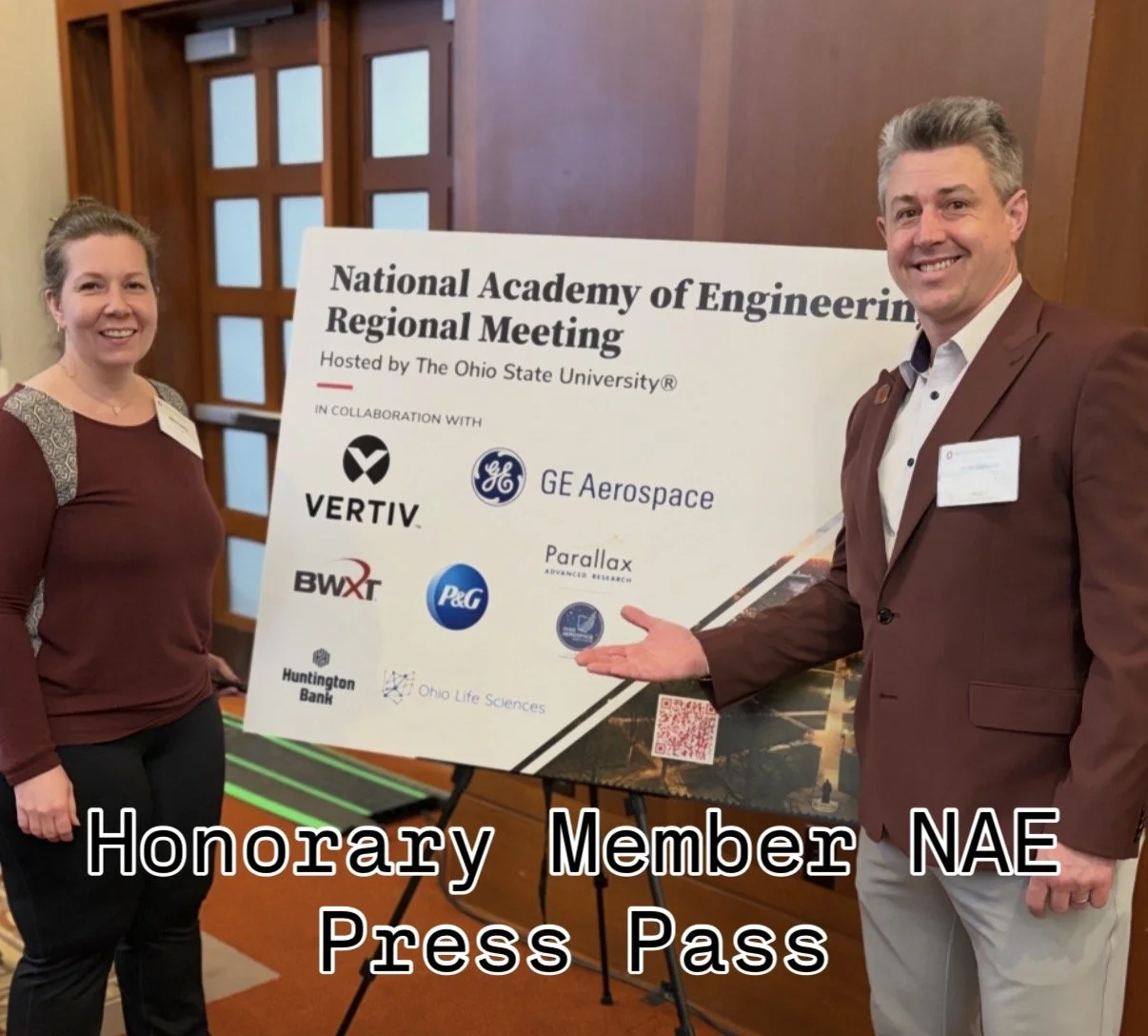
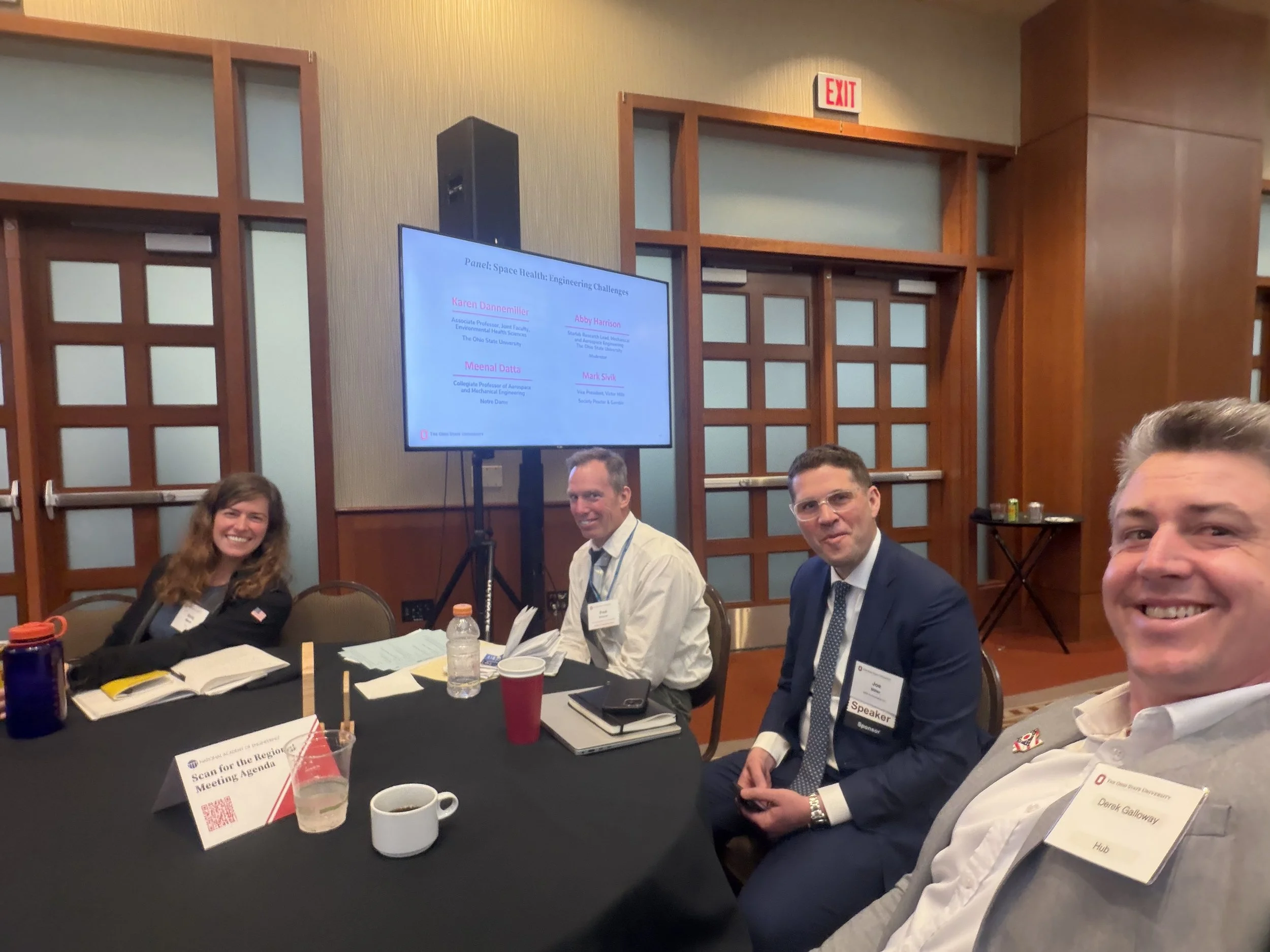
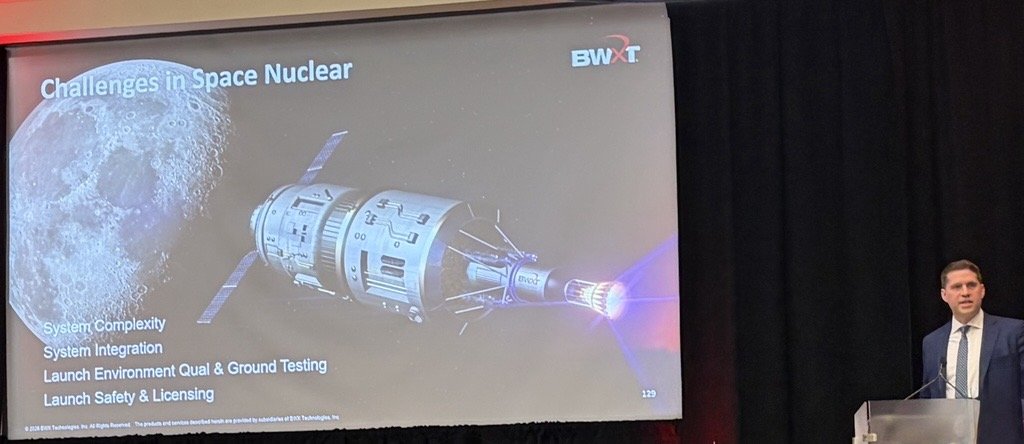
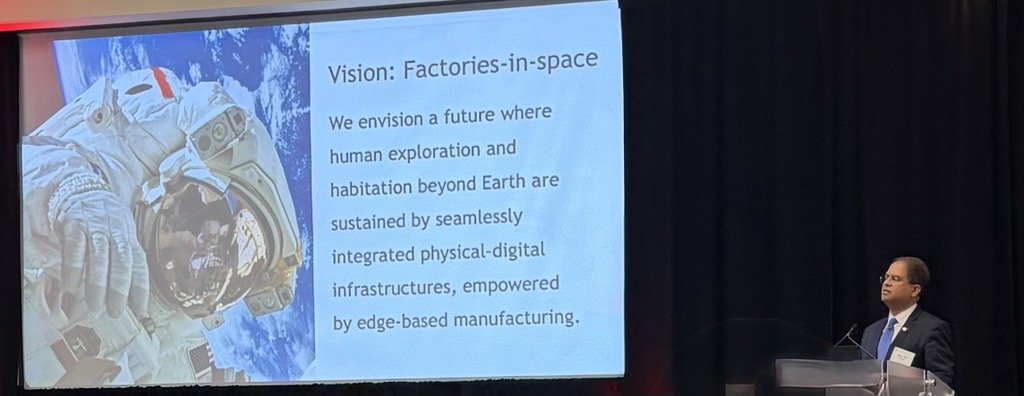
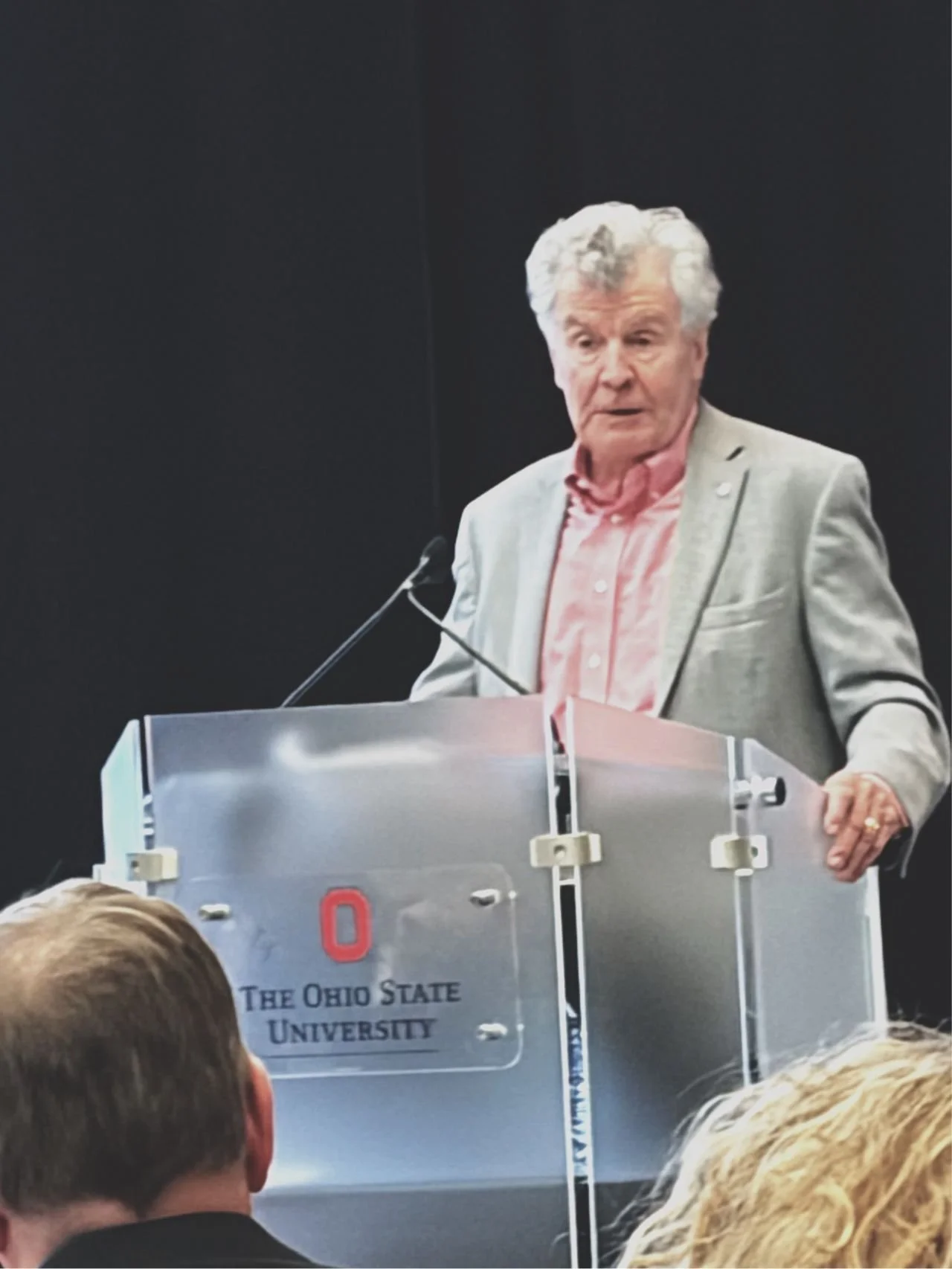
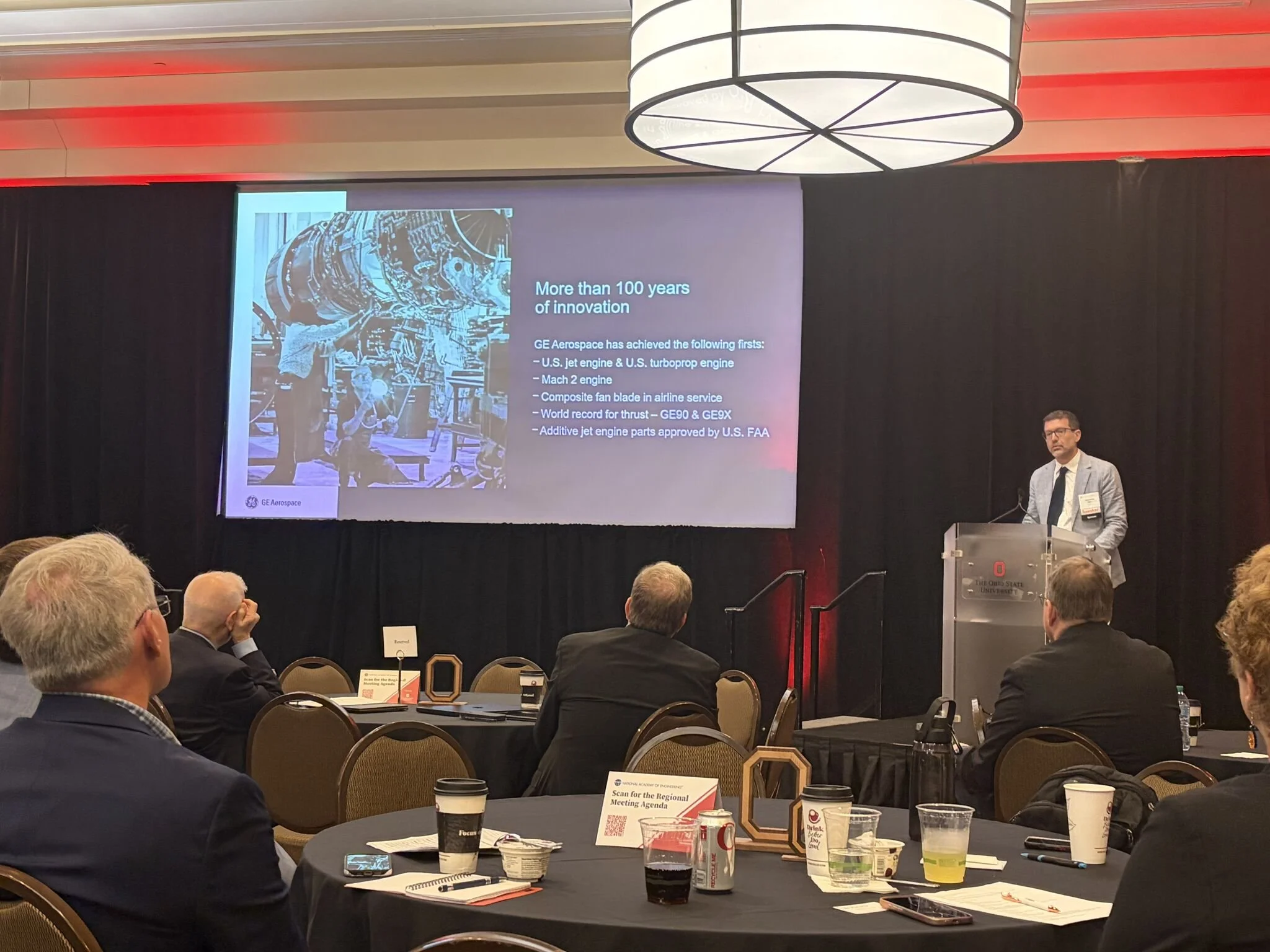
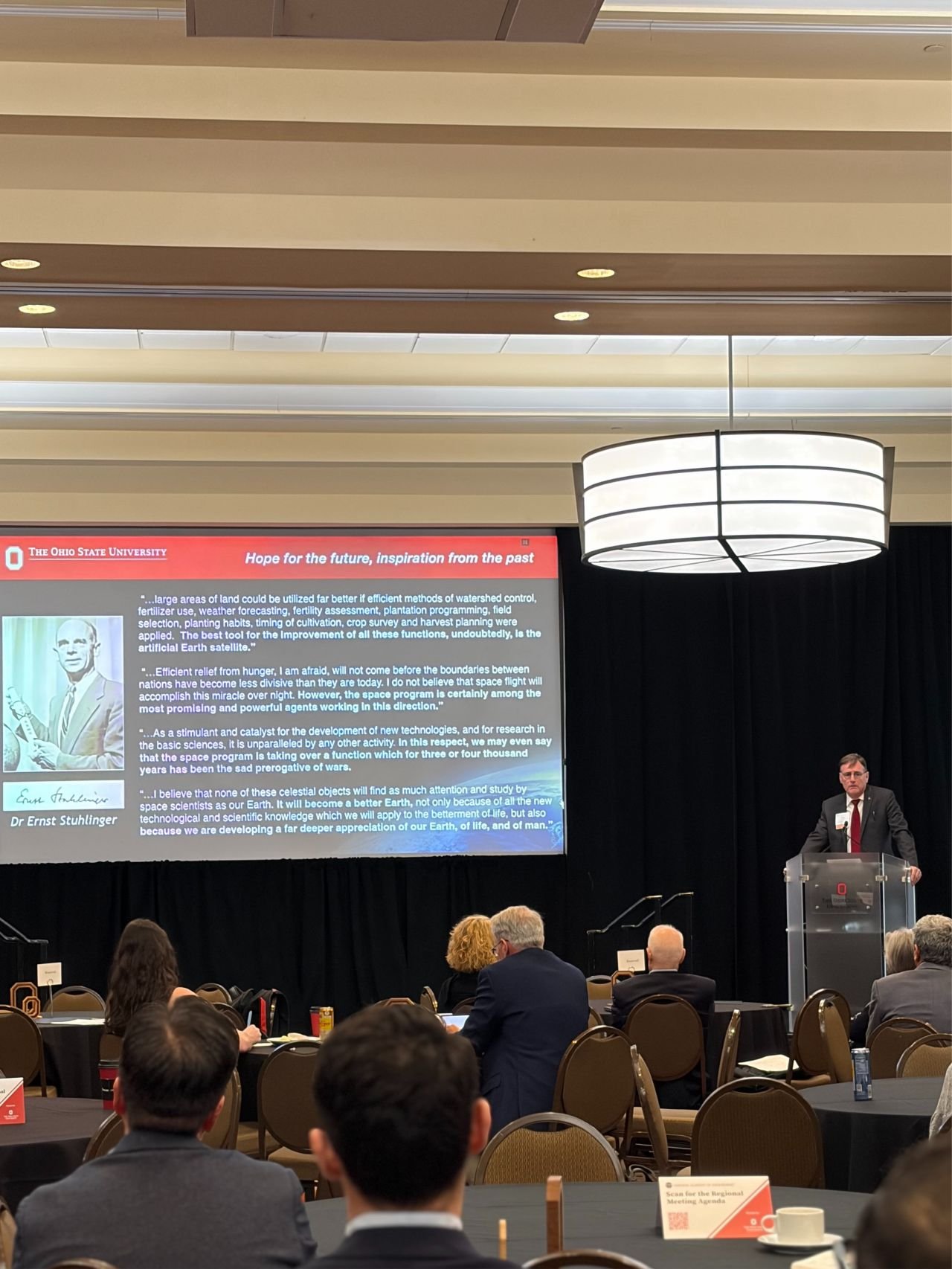
On April 2026, I'll be attending the National Academy of Engineering Meeting at Ohio State University. As Ohio emerges as a critical HUB for commercial space station development through VISTA Space, this event will bring together leaders from organizations collaborating towards this mission. These organizations include NASA Glenn, LogiQ, SpaceX, OnwardAir, GE Aerospace, and BWXT. The workforce implications of these conversations will be immensely impactful on Ohio's future.
Engineering leaders, researchers, and industry executives are convening to discuss the technical challenges of sustaining human presence in space. These engineering challenges transform into our workforce challenges: Who will design these systems? Who will build them? Who will operate them? And critically, are we building educational bridges and talent pipelines at the speed these programs demand?
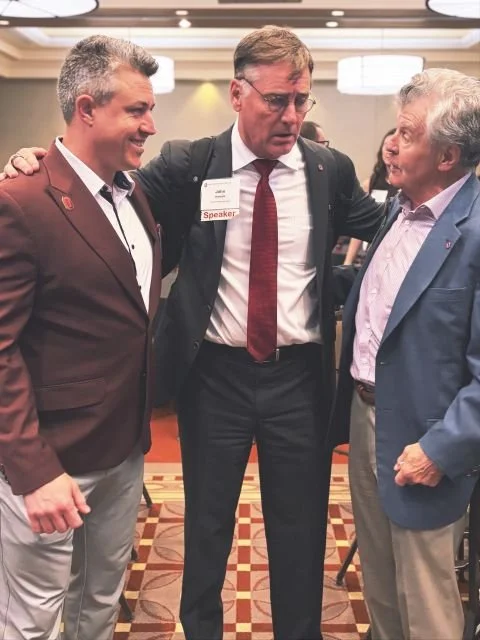
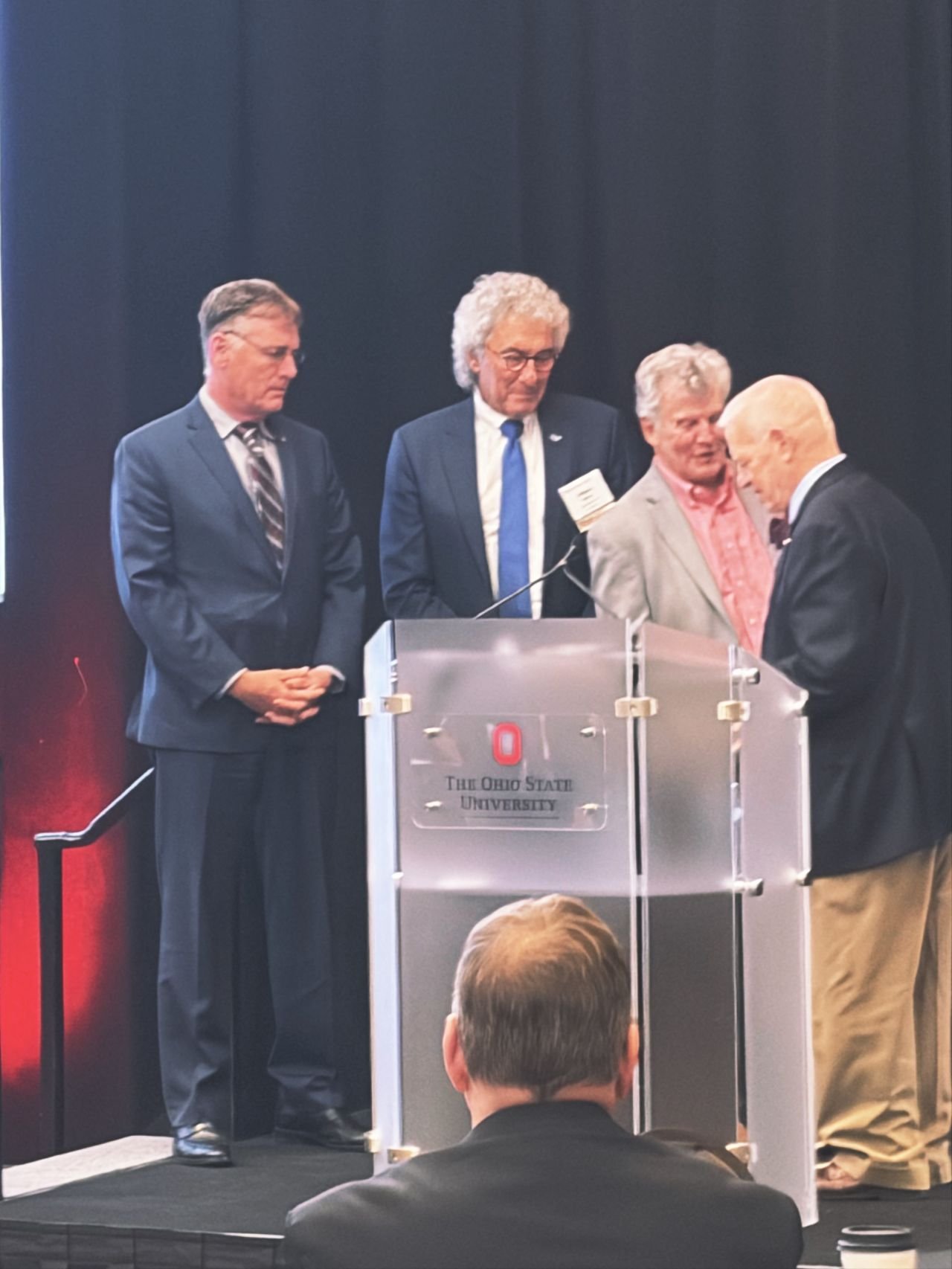
Derek Galloway, John Horack, and Dave Williams connecting at the National Academy of Engineering Meeting
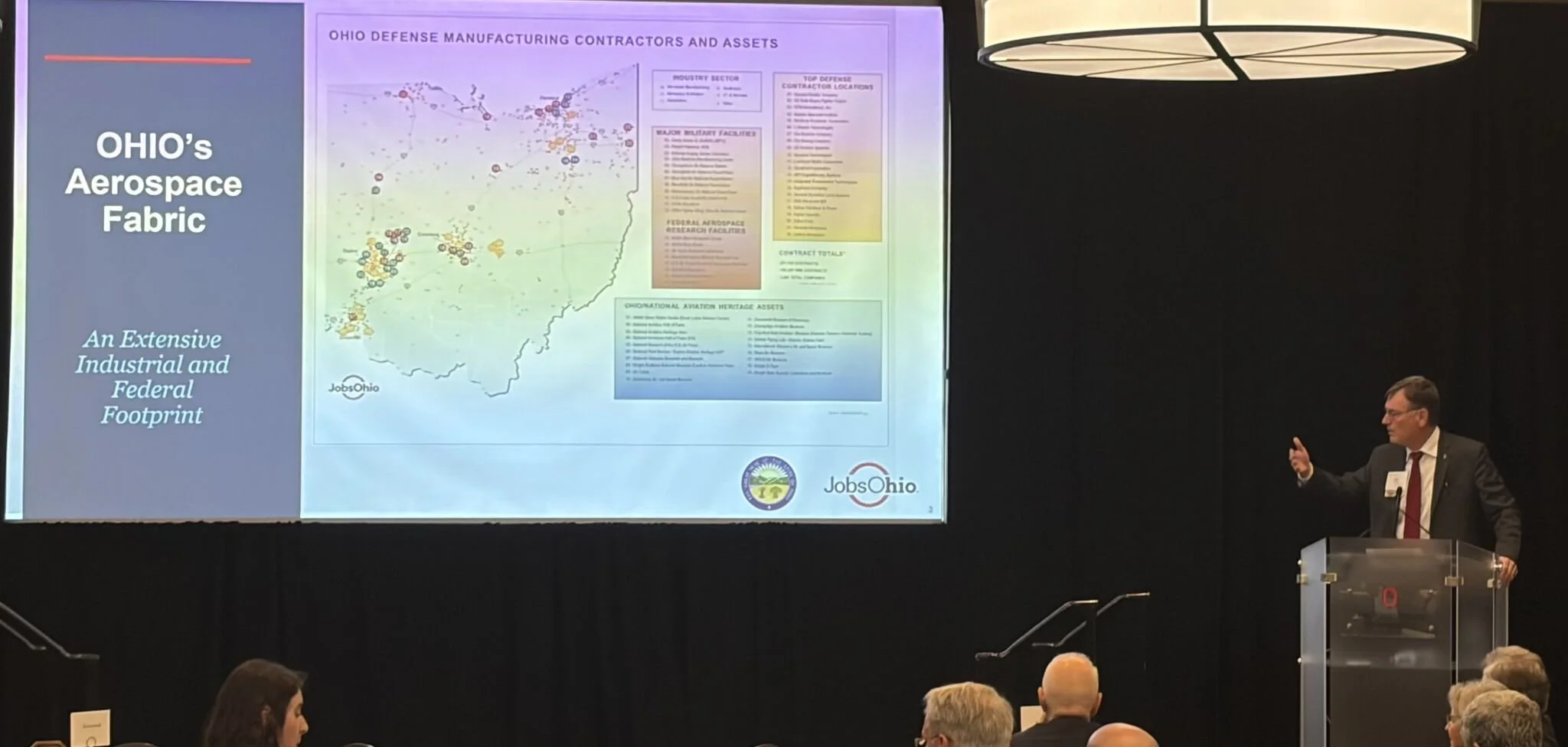
Ohio’s Aerospace Conversation
The questions I'm bringing to the conversation:
On Capital & Workforce Investment:
How do Ohio universities and industry co-invest in a curriculum that prepares graduates for commercial space station development? The ISS model is no longer relevant, and we must take a commercial approach to this conversation.
What does workforce readiness look like when the timeline from concept to orbital operations is measured in years, not decades?
On Community & Educational Infrastructure:
How do we build educational bridges that keep pace with commercial space development?
What role should Ohio State, the University of Cincinnati, Wright State, and other research institutions play in accelerating talent pipelines for VISTA, Starlab, and adjacent programs?
On Collaboration Across Sectors:
Where are the gaps between what universities produce and what commercial space companies need, and who's accountable for closing them?
How can pre-competitive collaboration on workforce development accelerate Ohio's competitive advantage without giving up proprietary edge?
Post Event Recap: NAE Recap Post 1, NAE Recap Post 2
VISTA Space Park, Starlab, and Ohio's Commercial Space Future represent more than isolated projects; they signal a fundamental shift in how space infrastructure will be built, financed, and operated. If Ohio is going to lead that transition, we need more than great engineering. We need workforce infrastructure that can scale at commercial speed.
The first deep dive in this series launches soon, exploring how VISTA Space Park, Ohio State University, and industry partners are navigating workforce strategy for the development of a commercial space station. If your organization is building for the next generation of space infrastructure, I want to hear from you.
If you're a CEO, CFO, founder, or workforce leader in Ohio's space and defense ecosystem, I want to feature your perspective in upcoming conversations. Comment below, send me a DM, or share how your organization is tackling these challenges.
If you're an HR professional, educator, or workforce development leader building bridges that enable rapid transformation, I want to hear from you as well. The companies winning aren't just those with the best technology; they're the ones investing in HR infrastructure and educational partnerships to deliver it.
The organizations that win the next decade won't just have the best technology. They'll have the workforce capability, HR and educational infrastructure, and the capacity to deliver it sustainably.
Let's lead together.